Friday, March 23, 2012

Cabbage rolls (Gołąbki)


My engagement into professional life did not allow for posting for a long while. I know, I know I should have warned you! I am extremely sorry for that. I am timidly coming back to you with another Polish classical dish – cabbage rolls named “gołąbki”.

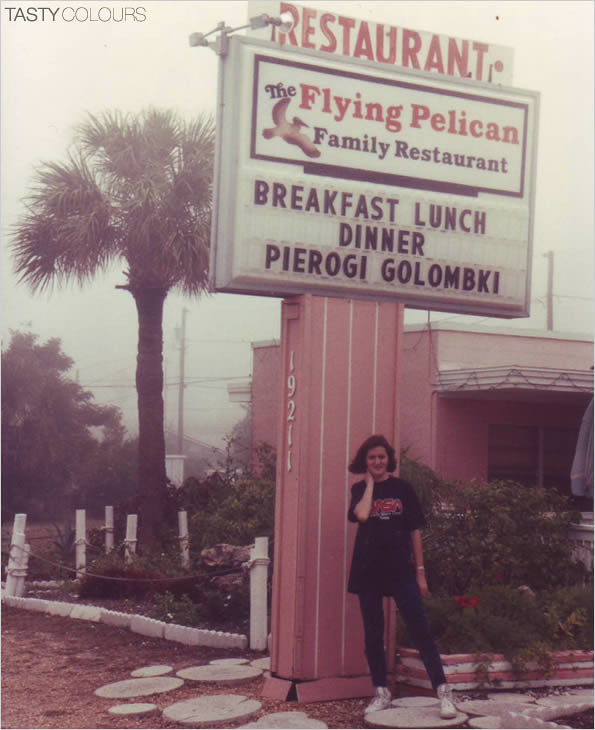
The picture that you can see below was shot by my father in December 1989, in Florida. The young girl that you can see on that picture, well that’s me, when I was 15. I could not resist publishing it tonight. It was my first trip not only to the U.S., but to the Western World – straight from a grey (but allegedly the funniest) communist country.  I can remember – and if I am wrong I am sure that my father will correct me after reading this post – that when we were on the highway in Florida, we suddenly stopped over because we had noticed a small restaurant building with a Polish signage (which was rather not so common at that time in Florida and probably still is not nowadays), close to a city called St. Petersburg (but not in Russia). We stopped there because we noticed the names of the most common Polish dishes – “pierogi” (dumplings), and “golombki” (cabbage rolls). Unfortunately, the restaurant was closed.
The literal translation of the dish means “little pigeons”. But it has nothing to do with those birds which I hate by the way (because they shit all over and they wake me up at 5 o’clock in the morning). Those cylindrical cabbage rolls are usually stuffed with meat, rice, kasha oraz mushrooms etc. Then they are baked in the oven or slowly cooked in a heavy pot (depending on family traditions). The origins of the name “gołąbki” are not quite clear. I only found out that in Slavic languages and culture, names of animals and birds had been frequently used to name breads and meals, in particular ritual ones. The name “gołąbki” was probably taken from the Ukrainian language.

From the technical point of view, the rolls are more time consuming than difficult to prepare. Probably that is why they were not cooked on a regular basis in my home. Although my mother claims that she used to prepare “gołąbki” regularly, I swear that I cannot recall of that.
It is actually surprising that such a time consuming preparation (the same applies to “pierogi”) were and still are a popular dish in all canteens, cheap bars and family restaurants. There, the most common version goes with pork, rice and tomato sauce. The version that I can remember from my school canteen was awful; the cabbage leaves in which the stuffing was rolled were always too hard. On the contrary, the rice and meat stuffing was overcooked. The tomato sauce was made from concentrate and it was very thick due to the great amount of thickeners like flour, for example, that was used.

I changed my mind towards “gołąbki” thanks to a friend of my mum’s, as it was one of her flag dishes. Hers were different. She never used white cabbage leaves. Instead, she preferred the more delicate savoy cabbage. She was stuffing them with rice and soaked, dried forest mushrooms (as most people in Poland do not eat meat for Christmas Eve dinner). But even though, a good few years had to pass before I made my first cabbage rolls. I was always scared to blanch the cabbage leaves in boiling water – it looked like a horrible job to me.

Of course, one can use regular white cabbage leaves to make “gołąbki”. I think however that savoy cabbage is better – it has thinner leaves and tastes better once cooked. You can also experiment with red cabbage leaves. In the recipe presented in this post I used pork meat (or you can use your favorite). Rustic and old fashioned versions include mashed potatoes and onions (as “ruskie pierogi”), as well as forest mushrooms.

Some people (like me) bake those rolls in the oven; some simmer them slowly in a “cocotte”. Irrespective of the method you use, you will need some liquid (vegetable, meat or mushroom broth or for example, my latest discovery – “żurek” – this I learnt recently from my father who himself learnt it from his mother). You also need a large, deep pan with a thick bottom.

Usually the rolls are stuffed with rice. But traditional recipes call for authentic Polish grains – for example barley, or buckwheat. You may serve your gołąbki sauté, just like this, cooked in their own juices. However, I believe that in Poland the most popular way to serve them is with tomato or mushroom sauce.

In the past a rustic version of this common food was also made from the leaves of pickled cabbage (the cabbage was pickled in whole). Nowadays, you will not find this version in Poland (but I’ve heard that one can find it in stores selling Russian food in New York).

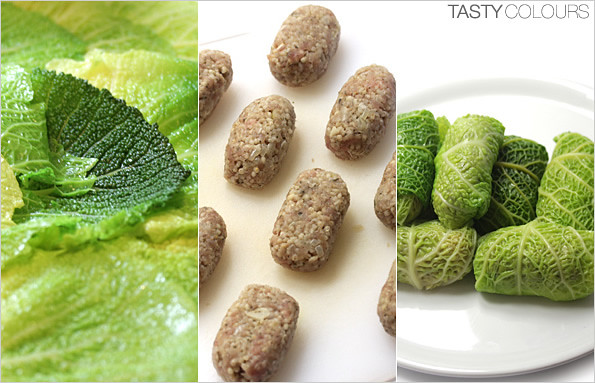
Note that I could not resist photographing them before baking them, when the green colour of the leaves looks so nice and inevitably fades away after baking.


Serves 4 (8-14) cabbage rolls depending on the size of cabbage leaves


Ingredients:

For the rolls:
1 savoy cabbage (around 1.3 kg)
350 g ground pork (you can use your preferred meat; for a vegetarian version use around 500 g of mushrooms – you must sauté them beforehand)
100 g kasha (for example buckwheat or barley)
1 teaspoon marjoram, preferably fresh
800 ml to 1l broth (meat, mushroom or vegetable)
1 big yellow onion, peeled, washed and finely chopped
2 garlic cloves, peeled and finely chopped
2 tablespoons butter
3-4 tablespoons goose grease (or vegetable oil)
Salt
Pepper

For the  tomato – vegetable sauce:
600 g ripe tomatoes, blanched, peeled and seeded; cut into quarters (optionally, use canned tomatoes)
2 garlic cloves, peeled and finely chopped
1 onion, peeled, washed and finely chopped
1 medium carrot, peeled, washed and very finely chopped
¼ small celery root (around 100 g); peeled and washed, very finely chopped
100 ml dry white wine
200 to 250 ml broth (use the one prepared for the rolls above)
1 tablespoon chopped parsley
½ teaspoon sweet powdered paprika
3 tablespoons olive oil
Salt
Pepper
Sugar

For the mushroom sauce:
450 g forest mushrooms (ceps, boletus, chanterelles) – fresh or frozen
1 large yellow onion, peeled and finely chopped
Around 150 ml meat or vegetable broth
100 ml sour cream
Salt
Pepper

For “sauté style” in żurek (then you do not use the meat or vegetable broth as indicated above)
500 ml żurek (recipe HERE)
4 to 5 g dried forest mushrooms


Kasha preparation:
1. Place kasha into strainer and rinse under running water. In a hot saucepan with a thick bottom, melt goose grease (or vegetable oil).
2. Add grains and fry, mixing constantly, around 3 to 4 minutes (until grains become a bit transparent).
3. Add the same volume of liquid (broth) and cook under cover, over a low flame, until the stock is completely absorbed. I prefer when kasha is half cooked.  Then it will not be totally overcooked after baking your gołąbki in the oven.
Put aside.

Preparation of cabbage rolls:

1. Take a big pot (I use a 10 liter pot) and boil around 6 to 7 l of water with some salt. Keep it simmering. 
2. Remove external leaves of the cabbage. Throw away those which are rotten. Put aside those which are just too thick and too hard – you will need them later on.
3. Using a sharp knife, delicately start to core the cabbage. The goal is to separate the leaves one by one without damaging them. You will find detailed instructions on how to core the cabbage on http://www.ehow.com/how_2087524_core-cabbage.html. Choose the largest and nicest ones (you will need about 14 of them) to make the rolls. Put aside the smallest ones – you will need them later on.
4. Place cabbage leaves in batches of around 3 or 4 into boiling water and blanch them a couple of minutes. They have to soften a bit but should still retain their vivid green color. Do not put them at once because you can break the leaves. Place the blanched leaves on a round, flat plate, let them cool down because now you have to remove delicately the central “nerve” from each of the leaves, so they can roll nicely and evenly. 
5. Take a frying pan. Heat it well and melt the goose grease (or oil). Add onion, fry over medium flame mixing constantly for around 10 minutes until it is cooked (onion needs time to cook). Add garlic and sauté for another couple of minutes.
6. Take a large bowl. Mix pre-cooked kasha, meat, fried onions with garlic, marjoram, salt, pepper and make it homogenous.
7. Divide the stuffing into equal parts and form them into cylinders. I am not “gołąbki” master, I usually count the number of leaves, check the size of them and I divide the stuffing according to the size of the leaves. Place each cylinder in the center of a cabbage leave (usually around 60 g of stuffing).  Fold the bottom edge of the leaf up and away from you. Fold in the sides and roll as for spring rolls.
8. In the meantime, heat the oven to around 180 degrees Celsius. Roughly chop the remaining cabbage leaves (those which you put aside earlier on) and place them in the bottom of the pan (they will prevent the rolls from burning). Then place the cabbage rolls in layers, quite tightly (they will shrink during baking). Now pour some broth, add a few strips of butter and place the rest of the cabbage leaves on top. Bake in the oven for at least 2 hours. If the liquid evaporated, add some more.

Serve with either: baking juices, tomato sauce or mushroom sauce.

This is a type of food which tastes even better on the next day.


Tomato - vegetable sauce
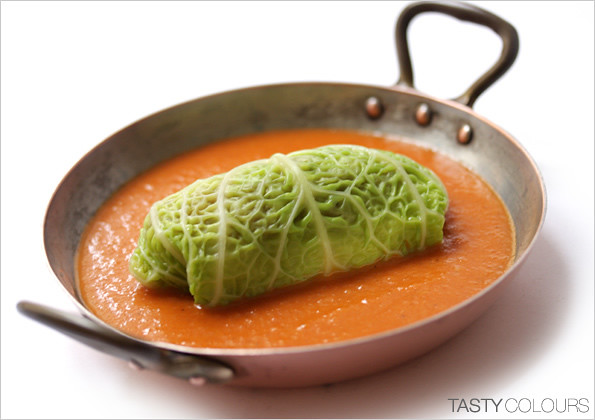

1. Pour olive oil into a hot frying pan. Wait until hot, add onion and fry over a small flame for around 10 minutes, mixing often and being careful not to burn it. Add garlic and fry for a couple of minutes, mixing.
2. Then add carrot, celery root and simmer for 10 minutes. If necessary, pour a bit of vegetable stock. Add tomatoes and cook for another 30 minutes over a low flame, mixing from time to time. If necessary, add some vegetable stock so the sauce is not too thick.
3. After 15 minutes, add white wine and reduce the sauce. Add salt, pepper, paprika and if necessary, a bit of sugar and cook for another 5 minutes. Blend the sauce (although this is not an obligation).

Mushroom sauce:
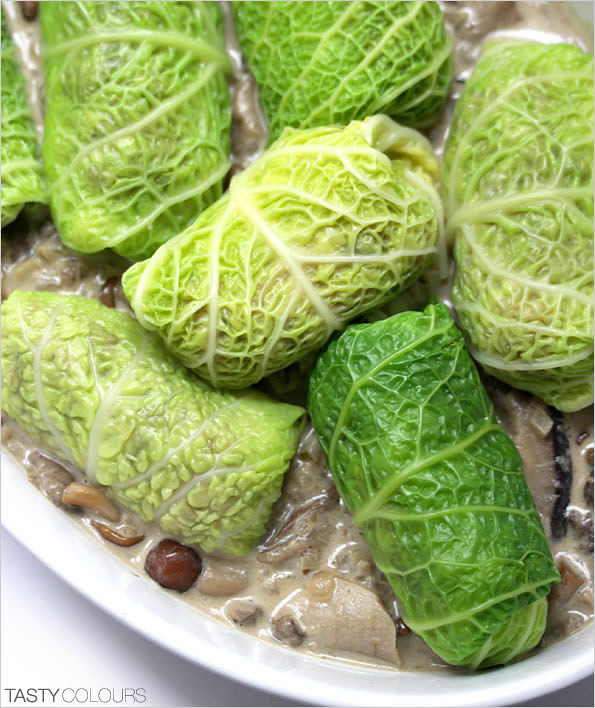

1. Clean mushrooms from forest leftovers. Slice them into equal parts (if necessary).
2. Heat well the frying pan, add olive oil, onion and fry over medium heat, mixing constantly.
3. Once the onion is nicely cooked, add mushrooms. Fry them for a few minutes over maximum heat until the juice is evaporated. Then add some broth (vegetable, meat or whatever you have) and cook for another 10 minutes, until the juice is reduced and thick.
4. Add cream, season with salt and pepper according to your taste. Sprinkle with fresh parsley (optional) before serving.

“Sauté style” in żurek

1. In a small saucepan, bring to a boil around 200 ml of water and add dried mushrooms. Cook them for around 30 minutes (eventually, you can soak them in water overnight and eventually boil them the next day for around 10 minutes).
2. Add mushrooms with the mushroom broth into “żurek” base (you will find the recipe HERE). Pour around ¾ of this liquid into the pan with rolls and then put them into the oven. In this version, you do not use vegetable or meat broth as in the basic recipe.. Check occasionally, if the whole juice evaporated, add a bit more.

Wednesday, July 20, 2011

Jaś Karłowy Runner Beans with Baby Patty Pan Squash


Around one year ago I wrote about one of my father’s summer culinary memories from his childhood: young, giant white beans cooked with slices of bacon and then served with fried onions and a lot of butter ("fasola Jaś"). For more details as regards the nomenclature and the history of this type of bean, check out my post.
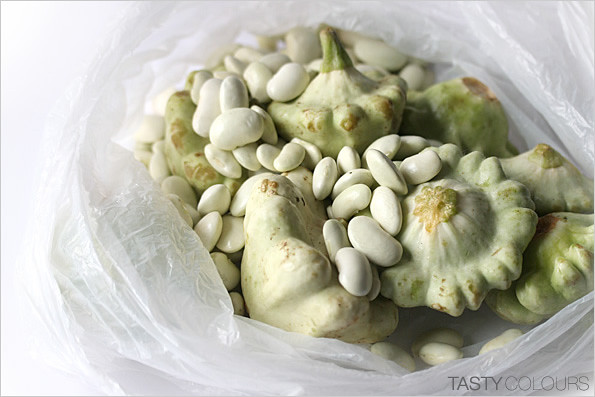
And only one year ago I found out how good these beans really are, when still young and not dry.  The season for them approaches, but I already had a chance to find them on my local food market a few days ago - crunchy and green.  I also bought baby patty pans, as their season just started.

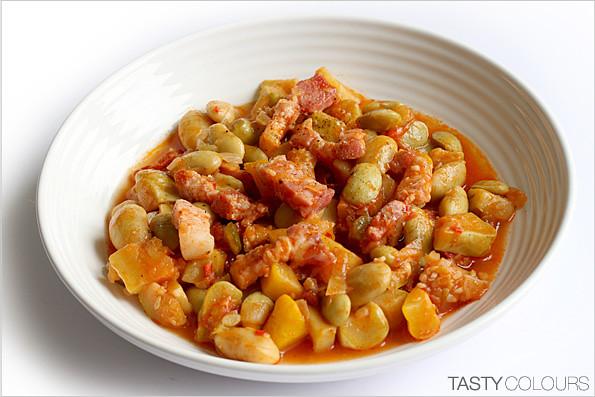
Here’s my recipe for a sort of vegetable stew, which main ingredients is Jaś Karłowy Runner Beans and Patty Pan Squash.  Because I am a meat eater, I added some bacon (frankly, I wanted to add some chorizo, but I could not find any in my shop). You may also use your favorite sausage, or just omit the meat, and have a nice vegetarian dish.  The stew tastes better on the next day, after a night in the fridge. If you omit patty pan squash, you will obtain a modified, summer version of a popular autumn/winter hearty Polish dish named “fasolka po bretońsku” (direct translation: “beans Brittany style” - although it has nothing to do with Brittany or France!)  - A Polish variety of so-called “baked-beans”.

Vegetable Stew with Baby “Jaś Karłowy” Runner Beans.


Serves 4 very hungry people (or 8 moderately hungry)

Ingredients:
2 large yellow onions, peeled and chopped
3 large garlic cloves, peeled and chopped
500 g young and fresh “Jaś Karłowy” Runner beans
800 g ripe tomatoes, blanched, peeled and seeded
½ large red chili pepper (or 1 dry chili pepper), finely chopped
600 g patty pan squash, cut into 1.5 cm cubes
300 g bacon (or whichever sausage you like), cut into thin strips or cubes
150 ml tomato sauce (just in case, if there is no enough juice in the dish)
4-5 tablespoons goose grease or olive oil
Basil leaves (optional) for garnish
Salt
Pepper

1 Prepare the beans: place the beans in a saucepan and cover with water (1 cm above the level of beans). Add some salt and cook (under the cover) until soft, but not overcooked (depending on the size of the beans, between 30 minutes and one hour). You really have to taste them. Strain them.

2 Prepare the onions and garlic:  In a hot frying pan, heat well goose grease or olive oil, add onions and cook over medium flame for 10 minutes. Add garlic and fry for another 3 to 4 minutes. Do not let onions and garlic burn. Put aside.

3 Prepare the bacon: In the meantime, in a frying pan, grill strips of bacon until gold and crispy.

4 Prepare patty pan squash: In a hot frying pan, heat well goose grease or olive oil, add cubes of patty pan and sauté them for about 10 minutes, or until al dente.

5 Prepare tomatoes: In a hot frying pan, using a bit of grease, sauté tomatoes for a couple of minutes, until the excess of their juice evaporates. If you are too lazy to do this, just put raw tomatoes into the stew (see below).

6 Finish your stew: Prepare a large sauce pan (better to use a wider one than a deeper one). Add beans, onions with garlic, patty pan squash, tomatoes, bacon, chopped chili and simmer for about 20 to 30 minutes, until all flavors are mixed well although vegetables should not be overcooked. If you think that you do not have enough sauce, just add a bit of tomato sauce and simmer for a few more minutes. Season with salt and pepper before serving. You can sprinkle freshly chopped basil, marjoram or whichever herb you like over the dish.
You can simplify this recipe by cooking everything together at once. You also may proceed by cooking first the ingredients which take the longest time to cook, and then by adding those which cook faster, but it will not be so tasty.

Bon appétit !

Tuesday, July 12, 2011

A Big YES to Polish “schabowszczak”

On 1 July 2011 Poland took over the Presidency of the European Union. Poland will hold this Presidency for another six months. I am not into politics lately (especially, that the Presidency started with a little scandal in the European Parliament), but I am vividly interested in one aspect – meaning - cooking. 

Adam Chrząstowski, chef of the restaurant Ancora in Kraków designed a special menu which will be served at high level meetings during the Presidency (he has been appointed as an expert in the Department of Coordination of Polish Presidency in the EU at the Ministry of Foreign Affairs of the Republic of Poland).

What will this food, presented to European officials, be like? For sure, it will not be Italian, it will not be pan-European or “multi-cultural”, it will be, as the chef puts it, “Polish, in a new, or rather “forgotten” version”.

So, everybody, let’s forget about pierogi, żurek and “kotlet schabowy” (pork’s cutlet) – the symbols of the Polish, socialist, cuisine of the proletariat. No place for that. The Polish Presidency is a great moment for the promotion of Polish culinary traditions, Mr Chrząstowski says, so let’s focus on promoting the forgotten aspects of Polish cooking – meaning aristocratic and bourgeois cooking, which was based on such products as game, poultry, forest fruits, forest mushrooms and soft water fish. Well, that’s fine.

A few weeks ago, I had a chance to translate a culinary brochure which is to be published in France (and in other EU countries) in connection with the Presidency – the brochure contains about 20 recipes from renowned Polish chefs (including those who experiment with molecular cuisine). The purpose of this little cookbook is not only the promotion of Polish cuisine, but also the promotion of Polish specialties and products like, for example, strawberries (Poland is the seventh largest producer in the world), sour cucumber, beetroots, potatoes, poppy seeds, game, buckwheat, tvarog, apples, herrings etc.

That is why, maybe a bit perfidiously, I am proposing today a symbol of socialist cuisine - a pork cutlet called here, in Poland, “kotlet schabowy”. I know that the dish is not representative enough for the promotion of Polish food during the Polish Presidency. I realize this is a type of preparation that was lifted, during communism, to our national dish. But remember: although it is neither too healthy nor elegant, nearly everybody loves it.

This flag meat dish of socialist Poland, was usually consumed, along with “rosół” (broth with noodles), on Sunday “obiad” in nearly every typical Polish family. I read that the career of the Polish cutlet probably started in the XIXth century. After World War II it became a symbol of equality of socialist cuisine for all social classes, where shortcoming in delivery of any type of meats was normal.
The cutlet, friendly called as “schabowy” or “schabowszczak” is still the king of meat dish served in cantinas, in cheap joints, in fast foods and even in some good restaurants. And it is usually served with cooked or sour cabbage and potato purée.

There is one small detail though, which I will try to explain as simply as I can. Firstly: nearly everybody in Poland likes a good “schabowy”. Secondly:  there exists in Poland a part of society (let’s simply call them the “traditionalists”) whose culinary imagination starts and ends with “schabowy”. As you can read in Karolina’s post (the story, unfortunately, is not available in English) these people are called “kotleciarze”.
Remember this very accurate term. KOTLECIARZE ! It is not so easy to explain what it means. I will try, however, quoting Karolina.  So, first of all, “kotleciarz” is a play on words coming from the word “cutlet” (“kotlet” in Polish) and literally it simply means a “person who eats cutlets”. But there is a double, deeper meaning of that term. The “Kotleciarz” (cutlet eater) has a special mentality. For example, as Karolina writes in her blog (and I agree with that), when the “kotleciarz” goes abroad on holidays (let’s say, to Egypt, Tunisia or Italy) he will be complaining that one cannot find a breaded pork’s cutlet in hotels’ menus. When invited to enjoy a delicious lemon and parsley linguine dish, the same “kotleciarz” will complain that “this spaghetti is bizarre, because it lacks meat and red sauce”. The “Kotleciarz” is absolutely suspicious about every food, except for that one cooked by his mother (or eventually his wife).  Once the “kotleciarz” visits Spain, he will not want to try any tapas, and will rather be searching for places serving “fish and chips”. and for example, the “kotleciarz”  living in Strasbourg, France (close to the German border) will not try foie-gras, lamb, or any other disgusting French food – he will rather go shopping in Germany, to buy sauer kraut, tvarog and sausage. As Karolina writes, “kotleciarstwo” is not only a culinary habit; it is also a state of mind. To sum up: I like cutlets, but I hate the “cutlet” mentality.

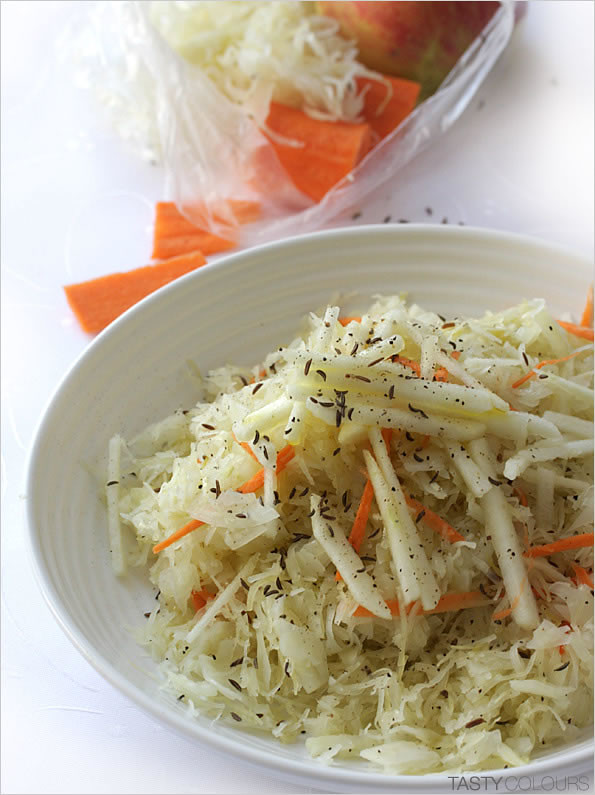
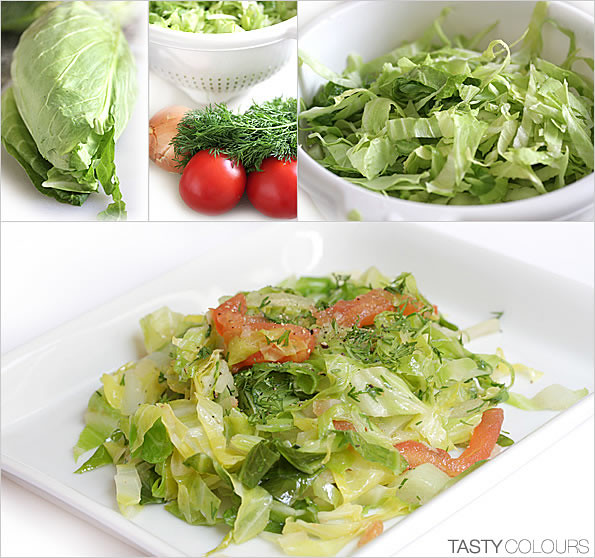
Today’s cutlet is accompanied with sauerkraut salad. However, it also goes well with shortly braised young cabbage. Sauerkraut may be bought everywhere in Poland (meaning, in every shop, all year round). Abroad, one can find it in stores carrying Polish or Russian food items. On the other hand, young cabbage is a seasonal product and may be found only in late spring or at the beginning of summer. Young cabbage braised with some tomatoes and sprinkled with dill is a very popular summer accompaniment to meat dishes. Often, bacon is added; today I present it with some tomatoes and a lot of fresh dill.


Breaded pork’s cutlet – “kotlet schabowy”


Serves 4

Ingredients:

600 g pork’s cutlet (boneless – some people prefer them with bones – do as you wish)
2 eggs
4-5 tablespoons butter
2 tablespoons olive oil / vegetable oil (a lot of people also use pork’s back fat)
150 bread crumbs (some also use flour, I do not think it is necessary)
Salt
Pepper

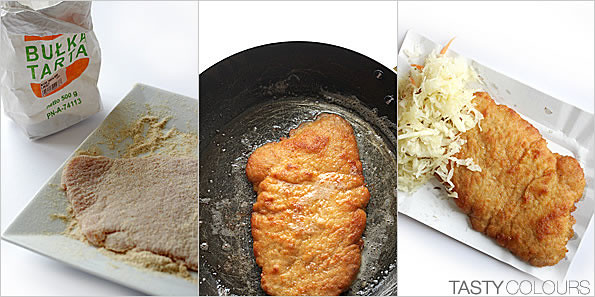
If using chops, trim off fat and gristle. If using tenderloin, trim off fat, remove silver skin and cut into 4 equal pieces. On a cutting board, pound pork between two pieces of plastic wrap to around 0,7 cm. Remove from the plastic film. Salt and pepper the meat.
Prepare two plates. Break the eggs into the first plate and beat them with a fork. Pour bread crumbs into the second plate. Dip each cutlet firstly in the egg, then in bread crumbs.

In a hot frying pan, melt the grease and once it reaches frying temperature, place the cutlets and fry them for around 5-6 minutes over a medium flame on each side (pork meat must be well done). Serve with potato purée and a cabbage salad or young cabbage (recipes below). .


Sauerkraut salad


Serves 4

Ingredients:
400 g sauerkraut (available in stores with Polish or Russian food items)
1 sour apple, peeled, washed and cut into julienne, sprinkled with lime juice
1 small carrot, peeled, washed and cut into julienne
1 onion, peeled, washed and finely chopped
½ teaspoon caraway, blanched in boiling water
4 tablespoons vegetable oil
Salt
Pepper
Sugar

Squeeze the cabbage in hands to remove the excess of sour juice. On a cutting board, chop the cabbage quite finely and place it in a bowl. Add the apple, carrot and onion. In a glass, mix oil with caraway, a pinch of sugar, salt and pepper. Pour into the salad, mix very well and serve as an accompaniment to your lovely cutlet.


Young cabbage with dill


Serves 4

Ingredients:

1 medium young white cabbage – around 600-700 g, finely chopped, the stalk removed
1 large onion, peeled and finely chopped
2 ripe, medium tomatoes, blanched and peeled, cut into quarters, seeds removed
1 bunch finely chopped dill
3 tablespoons olive oil / vegetable oil
2 tablespoons butter
2 tablespoons lemon juice
Salt
Pepper
A pinch of sugar

Pour oil into a large saucepan. Add onions, sauté them until quite soft. Add cabbage, mix and cook over a medium flame for about 15 minutes. The cabbage should release some juice. Do not let the cabbage burn. If necessary, add a bit of vegetable stock or water.
Add tomatoes when the cabbage becomes a bit transparent and soft.  Mix everything and cook for a maximum of 10 to 15 more minutes.  Add butter and mix. The cabbage should not be overcooked (this is how I like it).
Before serving, add lemon juice and dill, season with salt and pepper according to your taste.

Wednesday, June 15, 2011

Polish Style “Caprese”

So. Italians have their World famous Caprese. This little salad is also popular in Poland and commonly served as a starter in thousands of Polish restaurants, not only those specializing in Italian food. The salad is usually served with industrial mozzarella produced by huge international companies. Its texture resembles chewing gum. And it is tasteless. People who know Italy say that fresh mozzarella is good only there; it hates transportation, and should not be stored for a long time (and this one we can buy here in Poland has a long shelf life; of course, I buy it to use it in pizza or toasts, but I avoid eating it in salads).

Why, instead of those poor imitations of Italian food, something simple with fresh local and seasonal products cannot be found easily in our foodie places? Ok, I saw a Polish style caprese once – around 10 years ago in one of Kraków’s resto-bars. And I do not know if it is still served there, because I do not go there anymore (but I will check it out, especially for you).

A Polish version of caprese could be prepared, for example, with some local cheeses such as “bundz” - from the south of Poland, which I already presented a few times on my blog. The season for bundz already started in May. Another cheese called “koryciński” from the eastern part of the country (it is already sold in Kraków, for example on Kleparz market) or just fresh-home made tvarog, the most popular Polish cheese.

So, those cheeses may be accompanied by tomatoes, fresh herbs like thyme or basil, olive oil or … Polish artisanal and organic oil made from plants that grow in Poland: for example: cold – pressed linen oil (remember that cold pressed linen oil should not be used for frying and it should be used within a few weeks after opening of the bottle) or erucic-acids free cold-pressed organic colza oil, which is extremely healthy (sometimes called the “olive oil” from the North) – still not popular, but both available in good stores carrying organic food. The flavor of those two oils is particularly strong; if one does not like it, just use olive oil et voila!

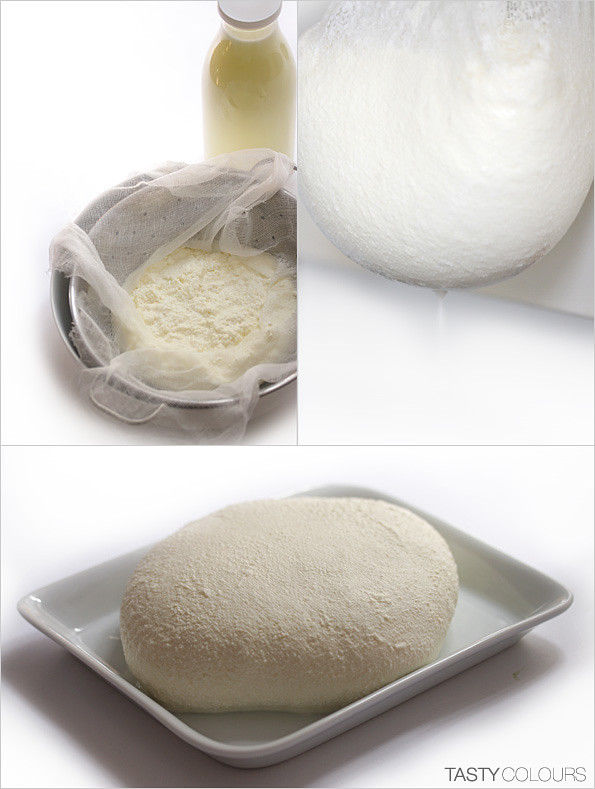
Tvarog is a fresh curd cheese made from cow’s milk. I remember from my childhood how my mom made it during our holidays in the countryside. In those times, access to fresh, raw and non pasteurized milk straight from the cow was not a big deal, like it is nowadays. Even in Kraków, a bottle of fresh, raw milk could be dropped off to your door step every morning. This milk was delivered, I remember, by an athletic and bearded guy who had a habit to climb the stairs with the speed of light (probably training for some sort of a sport). He always sweated like a pig. So, coming back to tvarog - it was traditionally made from warmed, non pasteurized milk “straight from the cow”, which was naturally getting sour. My mom was just leaving this milk in a jar or a stone bowl, then once it became sour (soured milk – “zsiadłe mleko”, “kwaśne mleko” is a sort of a popular drink in Poland), it was poured into a linen cornet and placed in a press (one can just use a stone or something heavy) to eliminate the whey (runny leftover liquid after curding the cheese) and to shape it as a triangle with oval edges.

Tvarog has a bit of a dry texture; it may be sliced, crumbled, whipped with cream or yoghurt, mixed with fresh chopped herbs and veggies,  etc.  It is used in pastries - for cheesecakes, in cooking (for example, dumplings – pierogi, pancakes (“naleśniki”), and sandwich spreads. It may be eaten in a sweet version with honey, confiture etc.

Some say this cheese is not even worth mentioning, as it is tasteless and worthless. I am not quite convinced. Good quality, or home made tvarog can be delicious; it just needs a little accompaniment, like a slice of bread with a crispy crust, salt, pepper, herbs etc. 

Tvarog, in its various versions (full fat, medium fat, light) is usually sold in blocks (one can also buy grind tvarog in plastic boxes). Unfortunately, as food in Poland becomes more and more industrialized, it is not so easy to find one of a good quality.

The French do not know tvarog. They do know how to prepare “fromage frais” which is different from tvarog and which cannot be used in Polish cooking (as it is too liquid). One Tvarog I found in a Polish store in Paris was not good (with a shelf life of 3 weeks). As a result, when I was in Paris, I started to experiment with home – made tvarog. I used tens of recipes (some using milk only, another adding yoghurt, kefir, cream, butter milk). There are hundreds of recipes for tvarog.

The recipe from my “Parisian period” below is a compilation of various recipes that I found on the web, including Polish Galeria Potraw. What came out of my experience in home preparation of tvarog is that everything counts – the quality of milk (after a few non-satisfying attempts, I found out that the best milk was an organic milk of the great Bernard Gaborit, cream, etc, and nearly every time this cheese came out differently (sometimes more acid, sometimes sweeter) etc. Depending on the volume of milk, the cooking and straining time may quite vary. I like it when it is fattier, so I add cream, but you can easily omit it or replace it by more buttermilk, for example. 

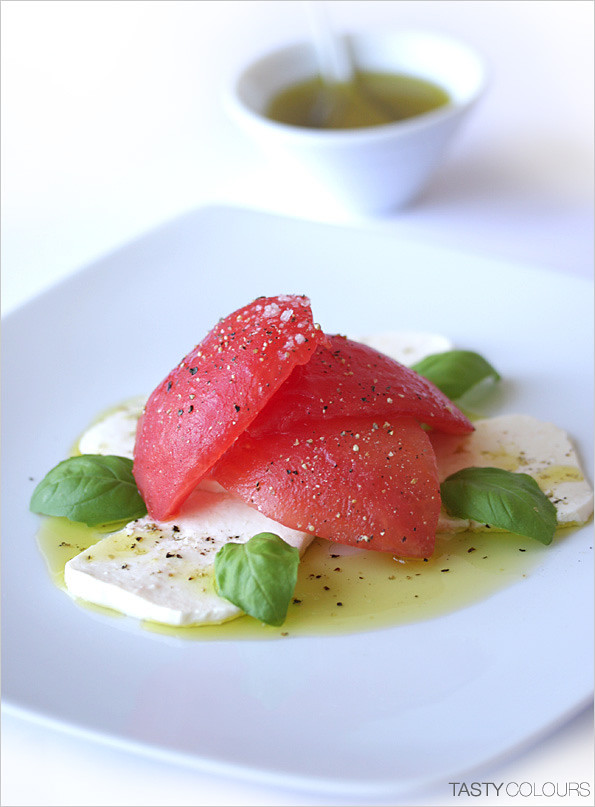
Polish Style Caprese


Serves 1

Ingredients:
4 thin slices of fresh bundz cheese, or koryciński cheese (about 100 g); or 4 thin slices of home-made tvarog (recipe below)
1 medium, ripe tomato
A few nice leaves of basil
1-2 tablespoons olive oil (if you have access to organic cold – pressed linen or colza oil, try to replace olive oil by one of the aforementioned)
Salt
Pepper

1 Blanch your tomato in boiling water. Peel it, cut into quarters and remove the seeds.
2 Place slices of cheese onto a plate. Place tomato quarters on top. Pour oil according to your taste; add a bit of salt and quite a lot of pepper. Decorate with basil leaves. Eat immediately and enjoy.

Home Made Tvarog


Makes between 500 g and 550 g (depending on how the cheese will be drained)

Ingredients:
1 liter full fat, non-pasteurized milk (the best is raw, fresh milk to be bought in shops carrying organic food or from “milk-machines”, if you have one in your town/city/village)
1 liter butter milk (most preferably, organic, with no additives)
250 g heavy cream, non pasteurized, of a good quality
125 g natural, non sweetened yoghurt (the best is organic, without any addition of powdered milk)
1 m2 gauze (or cotton diaper)
2 saucepans

Pour milk into a large saucepan and heat slowly until 40 degrees. Switch the heat off.
Pour it in a large bowl (do not use a metal bowl).
Add butter milk, yogurt and 125 g of cream. Mix everything until it is homogenous.
Cover the milk and put aside in a warm place (the desired temperature should be between 20 and 24 degrees) for about 36 hours, or even 48 (depending on the temperature in the kitchen). The liquid should have a sour taste and should thicken.
Once it is soured, add the remaining 125 g of cream and mix delicately.
Delicately pour soured milk into a saucepan.
In a larger saucepan (rather flatter than higher) bring water to a boil.
Then reduce the heat to a minimum, and place the saucepan with milk in the saucepan with boiling water.
Heat the curd delicately, over minimum heat, between 30 to 40 minutes (this is an individual matter, you really have to be careful!).
From time to time, check with a spoon whether any curd has separated from whey, not only at the edge of the saucepan, but also in the middle.
You should be more careful after 25 to 30 minutes of the curding process. The best way is to taste. You should see little curds on top of the saucepan. The curds should be a bit sweet with a rustic sour aftertaste (the taste, however, always depends on the quality of milk, yoghurt and cream) and they cannot be chewy, gummy nor too hard, otherwise the cheese will not be good.
Then prepare a strainer and the gauze.
Place a strainer, covered with a piece of gauze, in a large bowl. Pour delicately the mixture into the strainer. Be careful – from this amount of milk you will obtain about 1.5 liters of fresh whey. You can throw it away, but you might as well drink it cold (as it is supposed to be very healthy), or use it as a base for soups or even in bread baking.
Once you strained your cheese, remove the strainer with the gauze and place it on a plate.
Knot two opposite ends of the gauze (be careful for the cheese not to fall) and hang it over a bowl for draining. Depending whether the texture you want (cottage cheese for tartines or rather hard cheese, for example, to use as a filling for pierogi ruskie), drain the cheese between one hour and 1.5 or even more. You can also place the cheese in gauze between two cutting boards and squeeze it with something heavy.


Sunday, June 5, 2011

I am back. With Sorrel Soup

Ouloulou, it’s been more than three months already since my last post. What a shame. Let me explain everything, if anybody still checks my blog after such a long and embarrassing period of silence.

Here’s the reason: we moved to Krakow at the end of February. We had (and we still have) to organize our life and jobs here.

I should have warned you. But I did not, because I was convinced that I would come back to blogging right after my arrival here. That was a big, big mistake – the daily duties of my new life did not allow for that.  Further, I was a bit discouraged. You know, for the last few years I was visiting my country very often, but I was only a visitor here – the center of my life was in Paris, where I developed my passion for the culinary world. On the other hand, I had an idealized image of my home country and my hometown, which probably is a quite common feeling when you are an immigrant. Now, I am not an immigrant anymore, I am back here and I have to face Polish realities. I am a resident, and my husband is an immigrant.  You know, it is difficult for my Parisian husband to adapt to Kraków. He misses Paris; he misses its food: crispy Parisian baguettes, he cries for croissants or pain au chocolat for breakfast (you can get them here, too; but they are of an awful quality), côte d’agneau from Mr. Bajon, chocolate macarons from Ladurée and so on. I do not have any solution: I will have to open a home bakery, otherwise our life will become unbearable.

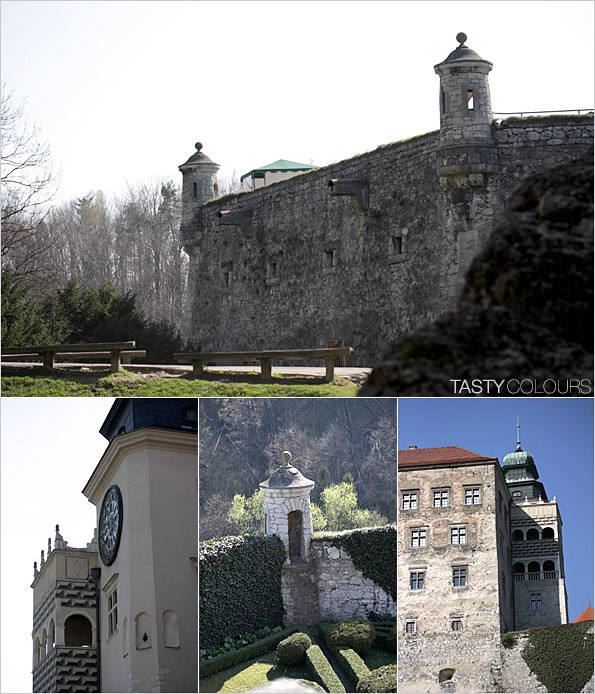
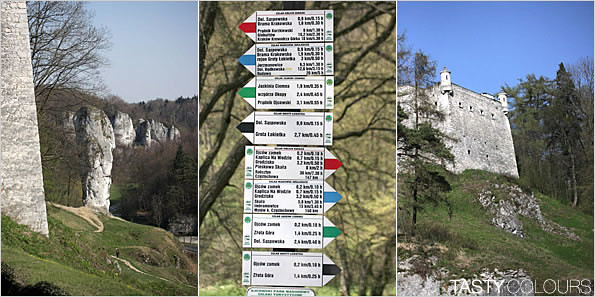
To change our mind a bit, I decided that we would spend a couple of days (that was at the end of April) with some friends in Ojców (although my husband wanted to stay home), a peaceful and green environment (you know, allegedly when you look at green trees and grass you are supposed to relax) – the village which is at the center of the Ojców National Park, which is the smallest in Poland (21 km2), located 25 km north of Kraków. The park is famous for its castles, caves (around 400 of them), rocks, limestone cliffs and two picturesque river valleys. Ok, let’s say that in comparison with hoodoos that one can find in Bryce Canyon in Utah, it is not so spectacular. One can always complain. However, we’re in Poland, not in Utah and our little rock area is not so bad. Evenings at the bottom of the rock valley resemble the ambience of the old Peter Weir’s movie “Picnic at Hanging Rock”. And in the village of Ojców, unlike Bryce Canyon or Zion Park, there is a ruined Gothic castle, located on a hill (a few years ago, some friends of mine organized a wedding party there). A few kilometers away, one can also visit another castle called “Pieskowa Skała”. Both castles were part of a late-medieval natural system of defense in southwestern Poland (Trail of the Eagles' Nests), constructed under the order of Kazimierz the Great, the King of Poland in the 14th century.


So, we spent a couple of days there, taking walks, sitting on freshly grown spring and juicy grass, checking out the neighborhood, sipping wine or beer, eating outside, chatting with friends, playing with kids. Simple life, and a substitute for countryside holidays when I was a kid. Eating simple food (the most extravagant one being sausages fried over a bonfire). Finally my husband admitted that it had been a good idea to come here.

The Ojców village is tiny (around 80 households, but only around 20 families live there all year round, for example, my old friend Wojtek, who is a wine expert and promotes vineyards – yes, yes, there are some vineyards in Poland and you will find out in some coming posts). Thanks to its location in the middle of the National Park, the village is subject to many legal restrictions, like, for example, the prohibition to sell real estate and construct new houses. However, we could notice a few new and quite ugly constructions, so I am not sure who delivers building permits. People go there to climb rocks, take bicycle tours and practice Nordic walking.

We had lunch in the only restaurant that exists there, which actually rather is a bistro. In the contrary to the French provinces where one can find decent food in tiny villages, meals served in this Ojców bistro were not good; Pascal ordered potato pancakes which apparently were made from some artificial powder; chewy and gummy, with no taste; the sauce accompanying them was a good friend of the Knorr corporation; I ordered some pierogi, which appeared to be previously frozen, and which most likely were not made on site.  How come that in such a beautiful place, visited by numerous tourists who come to spend some good time with mother nature, one cannot try good, seasonal products and regional meals ? Do they think people are stupid?


Well, so it’s already the beginning of June, and we are in the asparagus season. This year, however, I will start the season with a classical, rustic soup. Nothing special. Forgotten vegetables and a soup which was one of my culinary nightmares when I was a kid. I mean I will start from sorrel.

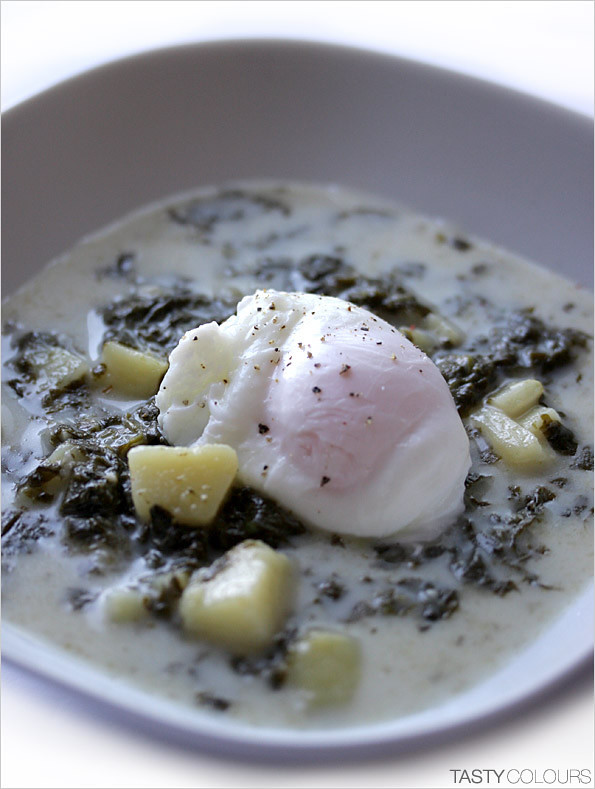
Do you like sorrel? Sorrel, collected here either as a wild growing plant or as a cultivated one, was more popular in Poland when I was little. Nowadays one can find it on food markets, but it is not so common anymore – as one of the farmers told me, people do not buy it so often, so there’s no interest to bother, it means to collect it wild or to plant it. The most common preparation using sorrel in Poland is “sorrel soup”. Or, rather, I will admit that I do not know of any other Polish dish with sorrel (which does not mean that they are none). This rustic style and not-so-good-looking soup (as you know, the color of sorrel, once cooked, changes into something that looks like rust) is served with hard-boiled eggs. Today, I propose you to serve it with poached eggs, which brings a little change to a classical dish.

Sorrel soup with hard boiled eggs was very often served in my school cantina (of course, when in season). I never liked it, as it was always too thick, as too much flour was added to it and it tasted awful. However, now, I like sorrel for its sour taste – as I like sour taste in general. Sauteed with garlic, and placed into a light broth it may actually taste quite good!

Sorrel soup


Serves 4

Ingredients
1 liter chicken or beef broth (you can use vegetarian broth, too)
300-400 g sorrel leaves, washed, stalks removed
2 big garlic cloves, peeled and finely chopped
2 tablespoons butter
6 baby potatoes, peeled, washed and cut into quarters
4 eggs
100 ml sour cream (optional)
2 tablespoons chives, finely chopped
Salt
Pepper
1 tablespoon lemon juice (optional)
1 tablespoon white vinegar

1. In a hot frying pan, melt butter, add garlic and fry for 1-2 minutes. Add sorrel and braise for about 5 minutes, until they lose their natural green color.
2. In a saucepan, bring the chicken stock to a boil. Add potatoes and cook for about 10-15 minutes or until soft.
3. Add sorrel with garlic and their own juices. Mix well. Remove the soup from the heat. Add cream, tempering it previously, mix well but do not boil again. Salt and pepper for taste. If necessary, add a bit of lemon juice.
4. In the meantime, prepare poached eggs. In a flat, but large saucepan, bring water to a boil. Add some vinegar. Break the eggs and put each of them delicately into boiling water. Cook over minimum heat for about 3-4 minutes and then remove delicately with a spatula. Remove the excess of water by placing each egg on a paper towel.
5. Pour the soup into plates. Place delicately one poached egg in each plate and sprinkle with chives.


Polish version - wersja polska przepisu


Przepraszam Was za długie milczenie. Tak jak już wyjaśniłam w wersji angielskiej oraz na mojej stronie na Facebooku, trzy miesiące temu przeprowadziliśmy się do Polski. Nie planowałam przerwy w blogowaniu i dlatego też nie uprzedziłam o tej przeprowadzce. Jednakże sprawy i bieżące problemy związane z tą przeprowadzką oraz zderzenie z polską rzeczywistością nieco (a właściwie, dość sporo) skorygowały moje założenia. Dopadła mnie niemoc twórcza, eksperymenty w kuchni zarzuciłam, zaś aparat fotograficzny pokrył się warstwą kurzu.


Dwa tygodnie temu spędziłam kilka dni w niemieckiej Bawarii – głównie w związku ze sprawami zawodowymi. Miałam jednak parę dni dla siebie i udało mi się nawet wypić trochę (hmmm...) bawarskiego piwa, odwiedzić parę monachijskich przybytków kulinarnych, w tym świetny Viktualienmarkt. Aparat poszedł w ruch, ale o tym w kolejnych postach, które już od tej pory będą się pojawiać regularnie (hmmm, miejmy nadzieję...). A na razie poczciwa i codzienna zupa szczawiowa, brunatny postrach przedszkolnych i szkolnych stołówek, który dzisiaj serwuję z jajkiem w koszulce. Lubicie szczaw ?


Zupa szczawiowa


Składniki (4 osoby)

1 l wywaru z kurczaka lub wołowiny (można użyć również wywaru jarzynowego)
300-400 g szczawiu, umytego i ewentualnie obranego z twardszych łodyg  
2 duże ząbki czosnku, obrane i drobno posiekane
6 młodych ziemniaków, obranych i pokrojonych w ćwiartki
4 jajka
100 ml śmietany (opcjonalnie)
2 łyżki posiekanego szczypiorku
Sól
Pieprz
1 łyżka soku z cytryny (opcjonalnie)
1 łyżka octu

Na rozgrzanej patelni rozpuścić masło, dodać czosnek i zezłocić przez około minutę lub dwie uważając, aby się nie przypalił. Dodać szczaw i dusić około 5 minut, aż straci naturalny zielony kolor.

Wywar zagotować w garnku, dodać ziemniaki i gotować do miękkości, to jest około 10 – 15 minut.

Do zupy dodać szczaw z czosnkiem oraz szczawiowym sokiem, który ewentualnie powstanie podczas duszenia. Zamieszać i zdjąć z ognia. Dodać śmietanę, uprzednio ją hartując w odrobinie zupy i całość zamieszać. Doprawić solą oraz pieprzem. Jeżeli zupa jest mało kwaśna, można dodać sok z cytryny.

W międzyczasie przygotować jajka w koszulkach: w niezbyt głębokim, lecz szerokim rondlu zagotować wodę i dodać ocet. Rozbić jajka i delikatnie umieścić każde w rondlu uważając, aby nie naruszyć struktury białka i żółtka (ja zawsze wbijam każde jajko do osobnego, małego platikowego pojemniczka, ewentualnie do filiżanki, a następnie umieszczam je kolejno w rondlu, starając się nie naruszyć struktury). Gotować na minimalnym ogniu około 3-4 minut, a następnie wyjąć za pomocą łyżki cedzakowej lub szpatułki i osuszyć na ręczniku papierowym.

Zupę przelać do talerzy. W każdym umieścić jajko w koszulce i udekorować posiekanym szczypiorkiem.
Related Posts Plugin for WordPress, Blogger...